Capture
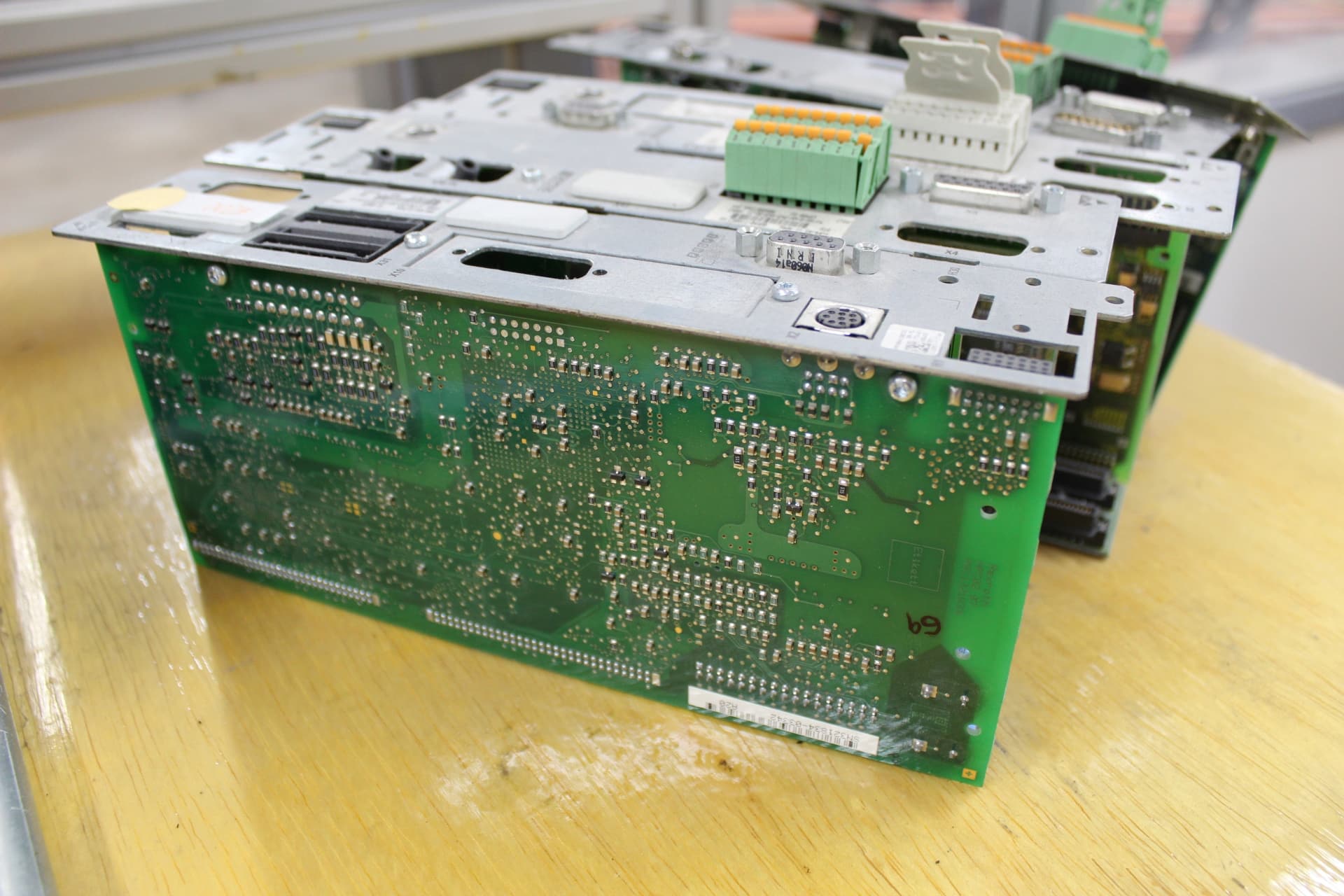
Photograph the display, status indicators and full equipment tag without cropping the suffix.

A display code is only one part of the diagnosis. Send Litco the exact code, the complete equipment type code and the machine symptoms so the right manual, component family and next check can be identified.
Start with the evidence
Error numbers can repeat across product families, firmware revisions and operating states. A useful support request pairs the code with the complete nameplate, installed system and the event that caused the machine to stop.
Photograph the display and tag before power is removed. Do not clear, bypass or repeatedly reset a fault unless the machine manufacturer's approved procedure says it is safe to do so.
Support workflow
Photograph the display, status indicators and full equipment tag without cropping the suffix.
Match the printed prefix to the drive, control or power-supply family and its correct manual.
Note the axis, machine state, recent work and whether the fault was intermittent or repeatable.
Litco can help assess repair, testing or replacement options after the exact unit is confirmed.
Find the correct family
Browse permanent catalog paths for industrial drives, power supplies and controls. The type-code guide directory and manual library can help establish which document applies.
If a field unit is suspected, Litco can also evaluate it through the repair and testing process. Replacement availability, compatibility and condition are confirmed against the full type code at inquiry time.
Safety note
Industrial equipment can retain hazardous energy after a fault or power removal. Work must be performed by qualified personnel using the machine manufacturer's documentation, lockout/tagout requirements and applicable site procedures.